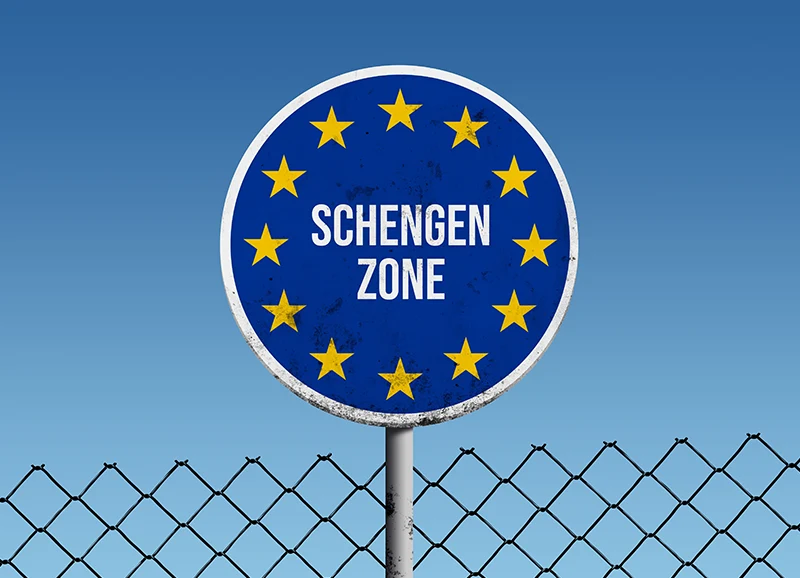
The Schengen area started 40 years ago in March 1985, as an intergovernmental project between five European Union countries – France, Germany, Belgium, Netherlands and Luxembourg- who signed the initial agreement. In 1990, the agreement was strengthened through the signed agreement at the Schengen convention, and in March 1995, the Schengen area expanded to include more countries, emerging as a core element of EU law, gradually expanding over the years to become the largest free travel area in the world.
Understanding the Schengen Visa Regime
The Schengen area is a zone within the European geographical area, where participating countries have an agreement to abolish border control and allow free movement between their citizens. Individuals who belong to these countries can travel to member states without border restrictions and without having to show passports at internal borders.
For Cyprus, joining Schengen means that citizens and visitors will benefit from visa-free travel across most of continental Europe. Non-EU nationals who obtain a Schengen visa will be able to enter Cyprus and travel onward to other Schengen countries without requiring separate entry approvals.
From a policy standpoint, Schengen accession also involves participation in shared information systems, coordinated visa rules, and enhanced cooperation on border security. For Cyprus, these upgrades bring both logistical challenges and long-term strategic benefits.
When is Cyprus joining the Schengen VISA?
Cyprus is expected to join the Schengen Area in early 2026, marking a major milestone in the country’s integration with the broader European Union area. Although Cyprus has been an EU member since 2004, it has remained outside of the Schengen Zone, alongside Bulgaria, being the only two EU member states that did not enter. The recent confirmation by national authorities of Cyprus that the country is entering the zone, sets a clear timeline for full participation, with technical and political alignment nearing completion.
Strategic Timeline and Policy Landscape
The path to Schengen accession has been long due. While Cyprus has long expressed its interest in joining, several technical issues and political considerations have caused delays and stalled the process for many years. Among these impediments were concerns relating to border control, the current state of the island being divided after the Turkish invasion of 1974, and the implementation of the Schengen Information System and other shared EU databases. Government officials indicated the country will be capable of meeting Schengen prerequisites by the close of 2025, with accession slated for 2026. It is no coincidence that the timeline provided by the government of the republic is also aligned with Cyprus’s upcoming EU Council presidency, which provides an opportunity to showcase the country’s willingness and commitment for deeper integration into the EU.
Economic Benefits: Travel, Tourism, and Trade
Schengen accession will have an immediate impact in the tourism sector. Cyprus is a highly popular tourist destination, attracting millions of visitors each year. The removal of visa barriers is expected to significantly increase arrivals from other EU countries, as well as from third-country nationals who already hold Schengen visas.
Improved connectivity and a straight-forward process will also benefit the business and trade environment. Cyprus has positioned itself as a regional hub for professional services, shipping, and finance. Enhanced access through the Schengen framework will reduce bureaucratic friction for companies operating between Cyprus and mainland Europe, making the island more attractive for multinational operations.
Real Estate Sector: A Pivotal Opportunity
Among the sectors expected to benefit most from Schengen accession is the real estate. In recent years, Cyprus has emerged as a significant hub for technology and innovation. Along with the favorable corporate tax system, it has attracted many businesses who have moved their base to the Republic. The industry has witnessed strong demand for residential and commercial property from both EU and non-EU investors and the introduction of visa-free access across the Schengen Zone is expected to enhance the island’s appeal, especially for those seeking property as a lifestyle or investment opportunity.
The economic impact
-
Surge in Foreign Investment
The availability of visa-free movement across Europe will further enhance the appeal for investors looking for a strategic base within the EU. This is particularly relevant for individuals from non-EU countries who will see this as an opportunity to travel freely across Europe without the complexity of multiple visas. The increased investor interest could lead to greater demand for luxury properties, seafront developments, and serviced residences whereas the increased demand for housing, could result in a sudden increase in rent prices, which in turn could create a domino effect in the demand for permanent housing from locals.
-
Expansion of Short-Term Rental Market
With a likely increase in short-term visitors, the demand for holiday rentals and AirBNB, is expected to rise sharply. Owners of villas, apartments, and vacation homes may see higher occupancy rates and returns on investment. In popular tourist cities such as Limassol, Paphos, and Larnaca, this trend could lead to a wave of new developments specifically designed for the tourism and hospitality market.
-
Market Confidence and Regulatory Alignment
Joining Schengen involves adopting and implementing a series of regulatory measures that promote transparency, security, and operational consistency. These changes can potentially enhance overall investor confidence in the Cypriot property market, particularly for institutional buyers and funds that value stable governance and clear legal frameworks. Regulatory rules and directives can protect the investors from unpleasant situations whereas they provide a feeling of trust towards the government, making the decision to invest easier.
-
Lifestyle-Oriented Demand
Cyprus is increasingly becoming a popular destination for retirees, digital nomads, and seasonal residents from all over the world. The ability to travel easily within the Schengen Zone will increase the demand for long-term stays or second-home ownership. Real estate developers will likely seize the opportunity and tailor offerings to this demographic and segments, with emphasis given on luxury, comfort, security, and community amenities.
Potential Challenges
Despite the promising outlook, there are several important considerations to be addressed. The island’s Infrastructure is not currently up to par and must be upgraded to meet Schengen border requirements. Some adjustments will have to be made at ports of entry and especially the Green Line that separates the northern and southern parts of the island. The unique state of the Republic of Cyprus where the Northern part of the island is illegally occupied and controlled by Turkish troops is a hurdle that needs to be overcome if Schengen’s directives are to be fully implemented.
To effectively implement the required changes, administrative and logistical costs will be needed, particularly in areas near border zones.
There is also the risk of accelerated property price inflation. As demand increases, although this seems as an ideal scenario for investors, prices are likely to increase as well, especially in high-demand coastal and urban areas. Policymakers will need to monitor affordability and ensure that housing remains accessible for local populations.
Furthermore, the transition may require adjustments to the legal and compliance framework governing foreign ownership, residency permits, and short-term rental licenses. The government and industry stakeholders must coordinate effectively to ensure smooth implementation and sustained investor confidence.
Conclusion
Cyprus’s planned entry into the Schengen Area in early 2026 represents a transformative development with far-reaching implications. It will increase travel, strengthen trade between member countries, and align Cyprus more closely with the core of European economic and political values.
For the real estate industry, this is a pivotal moment and a significant opportunity. Increased demand from international investors, growing tourism flows, and regulatory alignment promise to elevate the market and Cyprus economy to new levels of activity and resilience. At the same time, careful planning and responsive policy will be necessary to manage growth responsibly and avoid the damaging effects of inflation.
As Cyprus prepares to take this important step forward, the convergence of strategic positioning, investor interest, and policy momentum sets the stage for a new era of expansion and integration.